Prosthetic Solutions
Below Knee Prosthetics Designed to Move
Our care team will work with you to identify your lifestyle needs and priorities and then design and create a prosthetic solution that helps you live and move in all the ways you want. The specific type of prosthetic solution for you will depend on your condition.
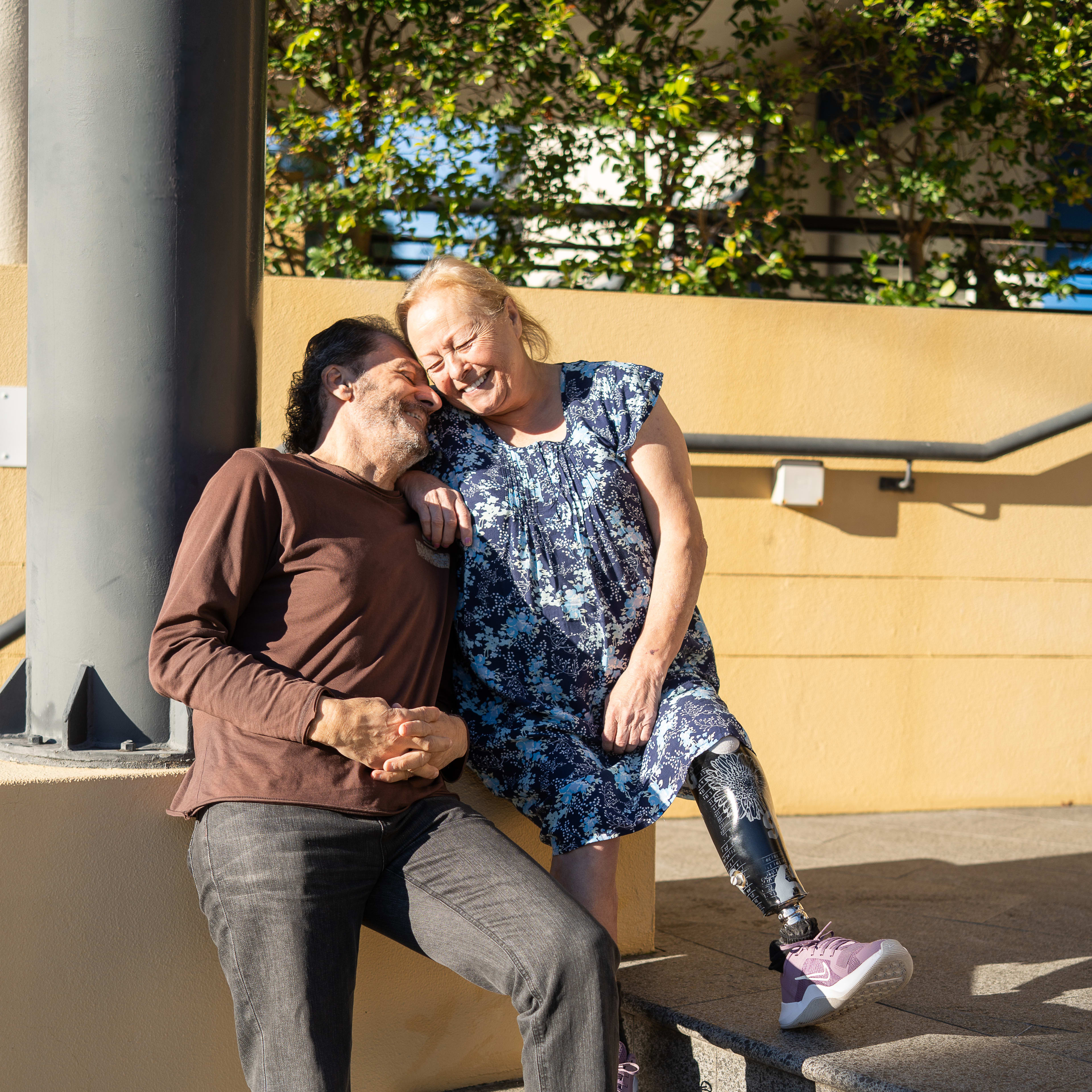
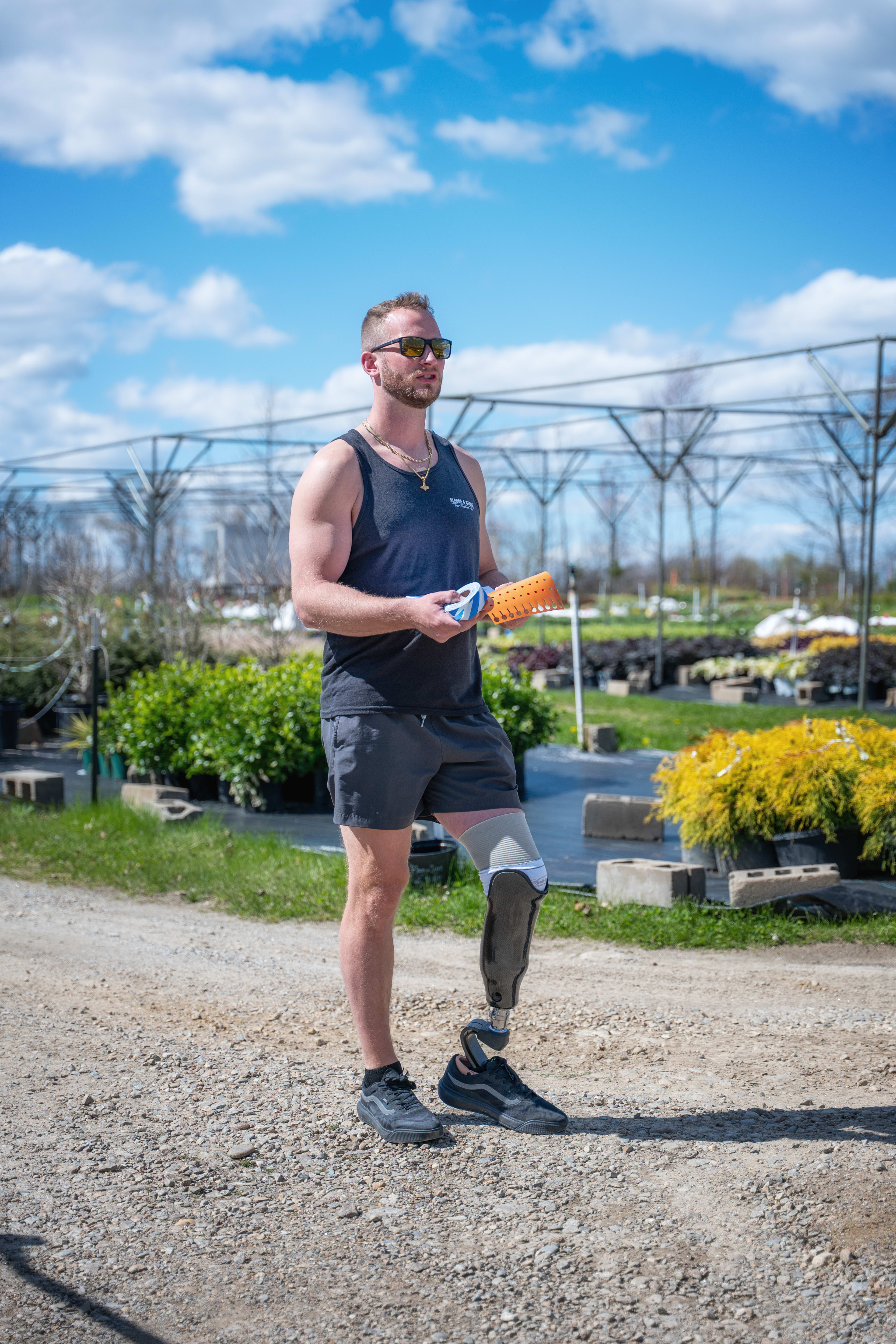
Amputation Types
Prosthetic Solutions
ForMotion understands the potential for prosthetic solutions to transform the lives of the people we care for. We're inspired to continually advance prosthetic technology thought research and development and we're committed to creating a custom prosthetic solution that helps you live and move all the ways you want.
Transtibial Amputation
Transtibial (TT) amputation is an amputation through the lower leg. You retain the use of your knee, but the design and fit of your prosthesis will depend in part on the length of your residual limb.
Creating a stable, comfortable fit is essential, and that starts with determining the right type of sockets and means of attaching it. The range of options includes a sleeve that you roll on, or a mechanical lock with a locking pin, cord pull or vacuum suspension.
You’ll also put on a liner, typically made with silicone, polyurethane or thermoplastic rubber, to protect your residual limb. Our care team will work with you to create a personalized solution that fits your lifestyle and activity needs as comfortably as it fits your body.
Creating a stable, comfortable fit is essential, and that starts with determining the right type of sockets and means of attaching it. The range of options includes a sleeve that you roll on, or a mechanical lock with a locking pin, cord pull or vacuum suspension.
You’ll also put on a liner, typically made with silicone, polyurethane or thermoplastic rubber, to protect your residual limb. Our care team will work with you to create a personalized solution that fits your lifestyle and activity needs as comfortably as it fits your body.
Proximal Femoral Focal Deficiency
Proximal femoral focal deficiency (PFFD) affects the hip bone and the proximal femur, resulting in a significant difference in leg length. In some cases, your leg length difference can be addressed simply by increasing shoe height. In other cases, a custom short leg prosthesis provides better stability and balance.
Typically, we can design the prosthesis to accommodate your foot while providing additional support for the weaker part of the leg so you can still wear regular shoes. In some cases, we may need to fit you for a thigh cuff to provide the necessary stability.
Typically, we can design the prosthesis to accommodate your foot while providing additional support for the weaker part of the leg so you can still wear regular shoes. In some cases, we may need to fit you for a thigh cuff to provide the necessary stability.
Partial Foot Amputation
Partial foot amputation (PF) refers to any procedure to remove some of the skeletal structure of the foot. The prosthetic solution that will work best for you depends upon how much and what part or parts of your foot remain, and our care team will lead you through the process of choosing and creating a prosthetic solution that helps you regain and maintain your freedom of movement.
Each solution starts with ensuring good weight distribution to provide even pressure for stability and support. If you've had toes or the front of your foot amputated, your options include a specially made insole you can put in your shoe, or a molded silicone prosthesis that attaches to your foot. If your amputation is closer to the rear of your foot, you may benefit from a prosthetic solution that provides more stability by attaching further up your leg.
Each solution starts with ensuring good weight distribution to provide even pressure for stability and support. If you've had toes or the front of your foot amputated, your options include a specially made insole you can put in your shoe, or a molded silicone prosthesis that attaches to your foot. If your amputation is closer to the rear of your foot, you may benefit from a prosthetic solution that provides more stability by attaching further up your leg.
Ankle Disarticulation
Ankle disarticulation (AD) also known as a Symes amputation is an amputation at the ankle joint. While there are a range of surgical methods for this procedure, your residual limb should be strong and stable enough to support you with the aid of a prosthetic solution. Our care team will work with you to choose and create a custom prosthetic solution that helps you move through the world comfortably and confidently.
Creating a stable, comfortable fit for your prosthetic solution is essential, and that starts with determining the right type of ankle socket and foot. The socket design for your prosthetic solution will depend on your residual limb, and the foot will typically be made of carbon fiber with a cosmetic cover in a size and shape that matches your other foot.
Creating a stable, comfortable fit for your prosthetic solution is essential, and that starts with determining the right type of ankle socket and foot. The socket design for your prosthetic solution will depend on your residual limb, and the foot will typically be made of carbon fiber with a cosmetic cover in a size and shape that matches your other foot.
Personalized Prosthetic Care
Finding the Right Below Knee Prosthetic for Your Lifestyle and Goals
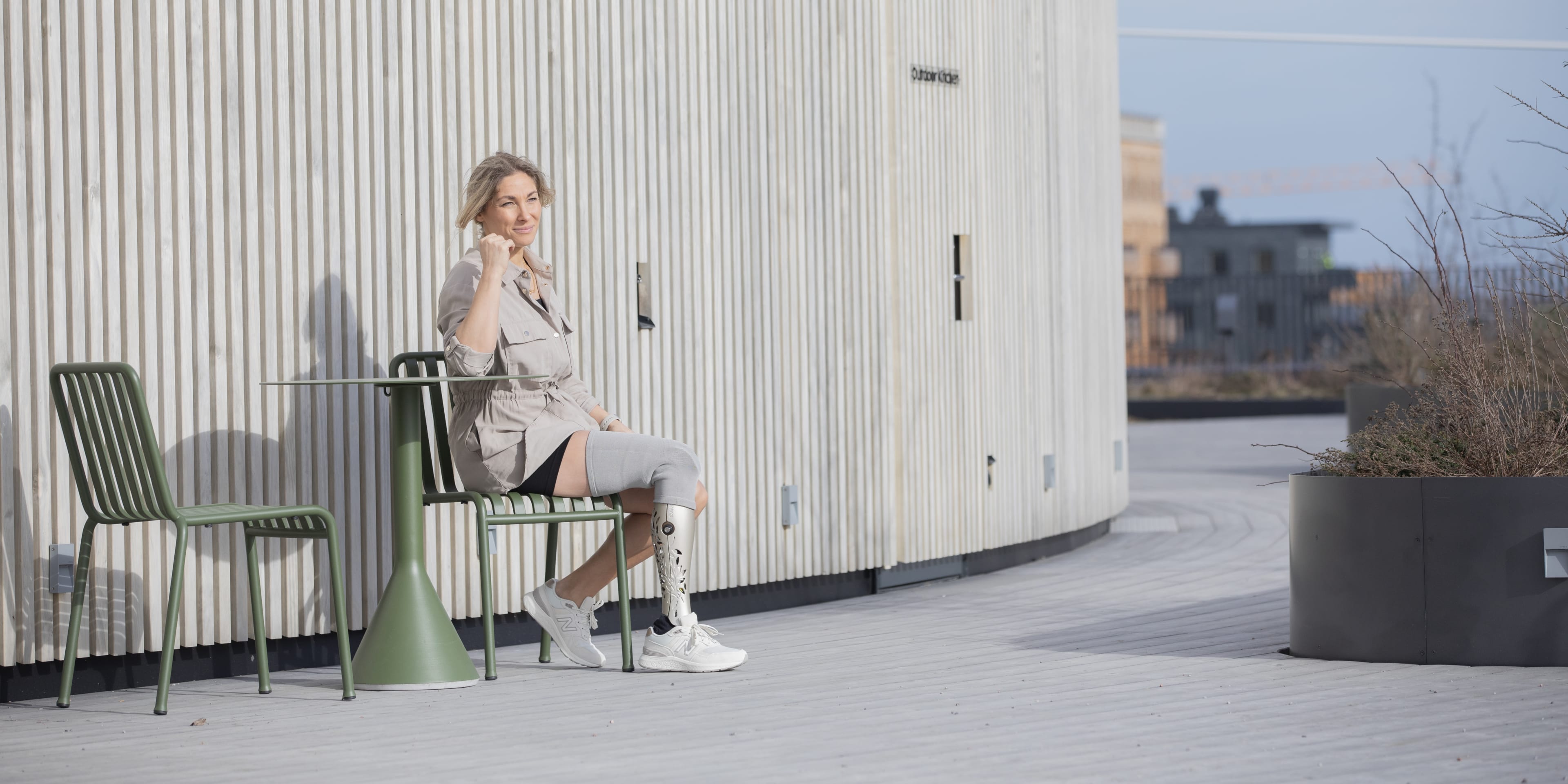
Below knee prosthetics are available in a range of designs to suit different activity levels and amputation lengths. Understanding the types of below knee prosthetics available can help you make an informed decision alongside your clinical team.
CARE Program
Comprehensive Acute Rehabilitation Empowerment Program
CARE Program
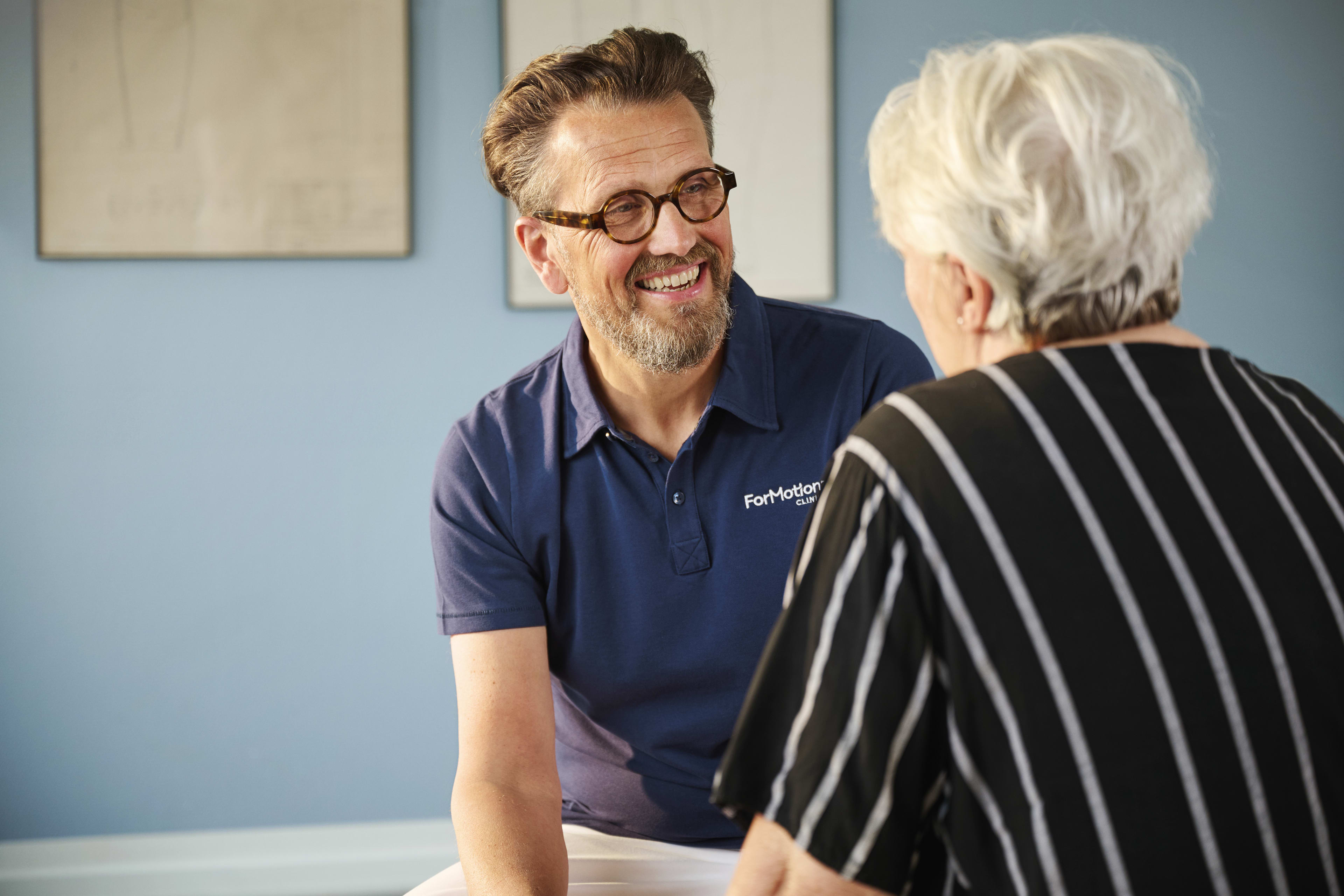
Any individual can be subject to limb loss, which can be devastating both emotionally and physically. There are many tools available that can assist amputees in recovering and regaining the self-confidence to move forward. We offer comprehensive support to help you, your family and caregivers navigate your prosthetic journey. Our CARE Coordinators provide guidance, connect you with resources, help you set goals, and assist you in accessing servic...
Read More
Phase 1 | Pre & Post-operative
- CAREs Coordinator outreach
- Discuss process of potential protective post-operative device, if ordered by MD
Phase 2 | Sub-Acute & Rehabilitation
Once patient has been directed to home or inpatient rehabilitation hospital:
- Clinician/CAREs Coordinator corresponds with therapist on patient's progress
- CAREs Coordinator will check in regularly with patient to offer help and guidance
- Healed and approved for prosthetic intervention by MD.
Phase 3 | Function & Outcomes
- Prosthetic evaluation in-clinic: medical history review, determine goals, and more.
- Patient casting in-clinic
- Patient is fit with a test version of prosthetic device in-clinic
- Device is delivered in-clinic
- Patient is directed to outpatient PT or rehab for gait and strength training
Resources
Support & Resources
We understand that finding the right care for your condition can be challenging and confusing. Take advantage of the resources on our site and the expertise of our care team.
Locations
Find Your ForMotion Clinic
We have an established and growing network of Orthotic and Prosthetic clinics. Find the location that's closest to you.