Advanced Lower Limb Care
Lower Limb Prosthetics Designed for Your Life
ForMotion lower limb specialists work with you to find the right prosthetic leg for your needs and are an integral part of a rehabilitation program that helps you regain strength, mobility and independence.

Prosthetic Solutions
Explore Our Lower Limb Prosthetics Solutions
ForMotion Lower Limb prosthetic services help people who have undergone a leg amputation due to vascular disease, diabetes, cancer, or accident, or who require a prosthetic solution because of a limb difference. ForMotion's care team are ready to create a rehabilitation program that helps you build strength, dexterity and mobility. We offer lower-limb prosthetic solutions tailored to your lifestyle and activity requirements, as well as the type of amputation or limb loss you have.
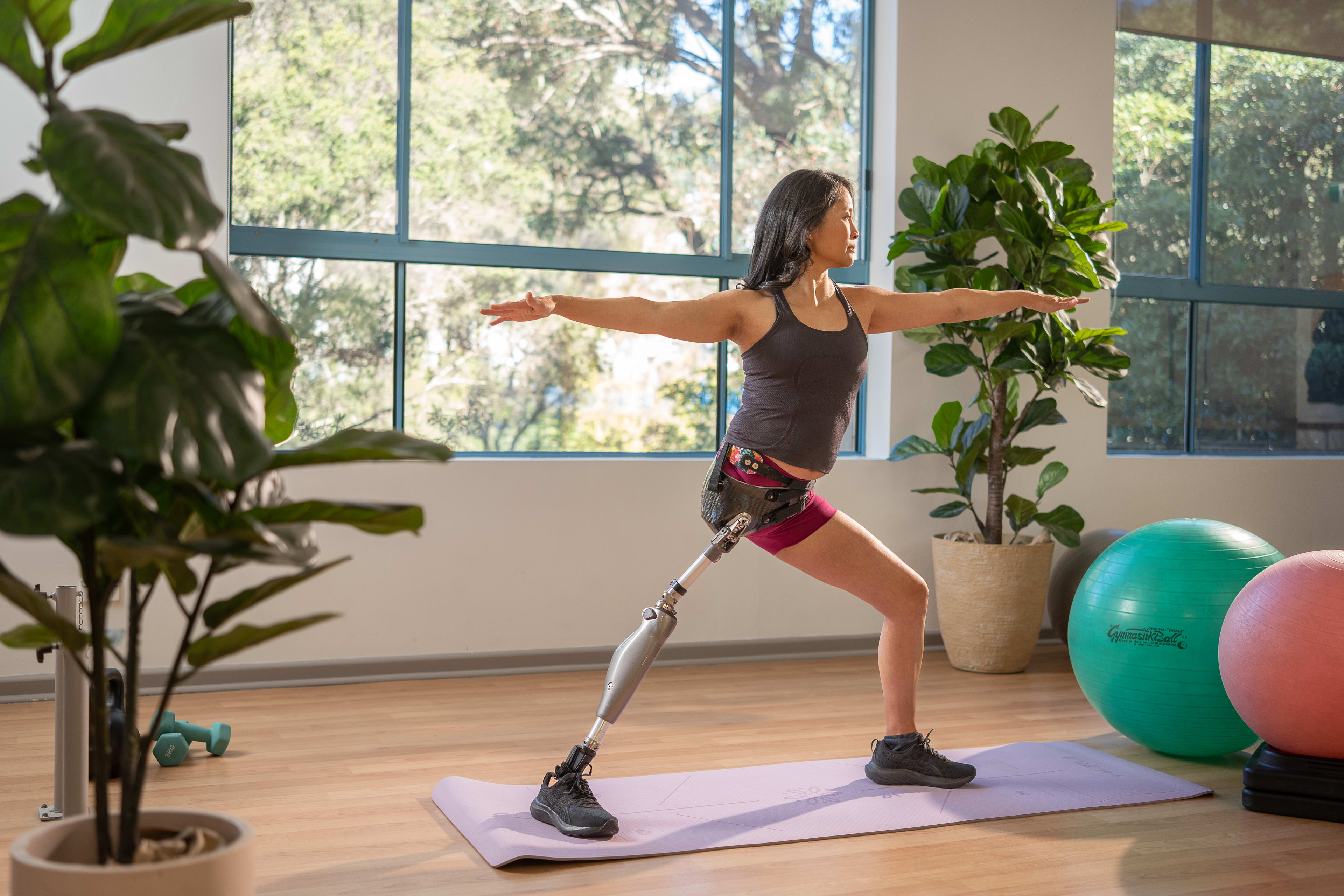
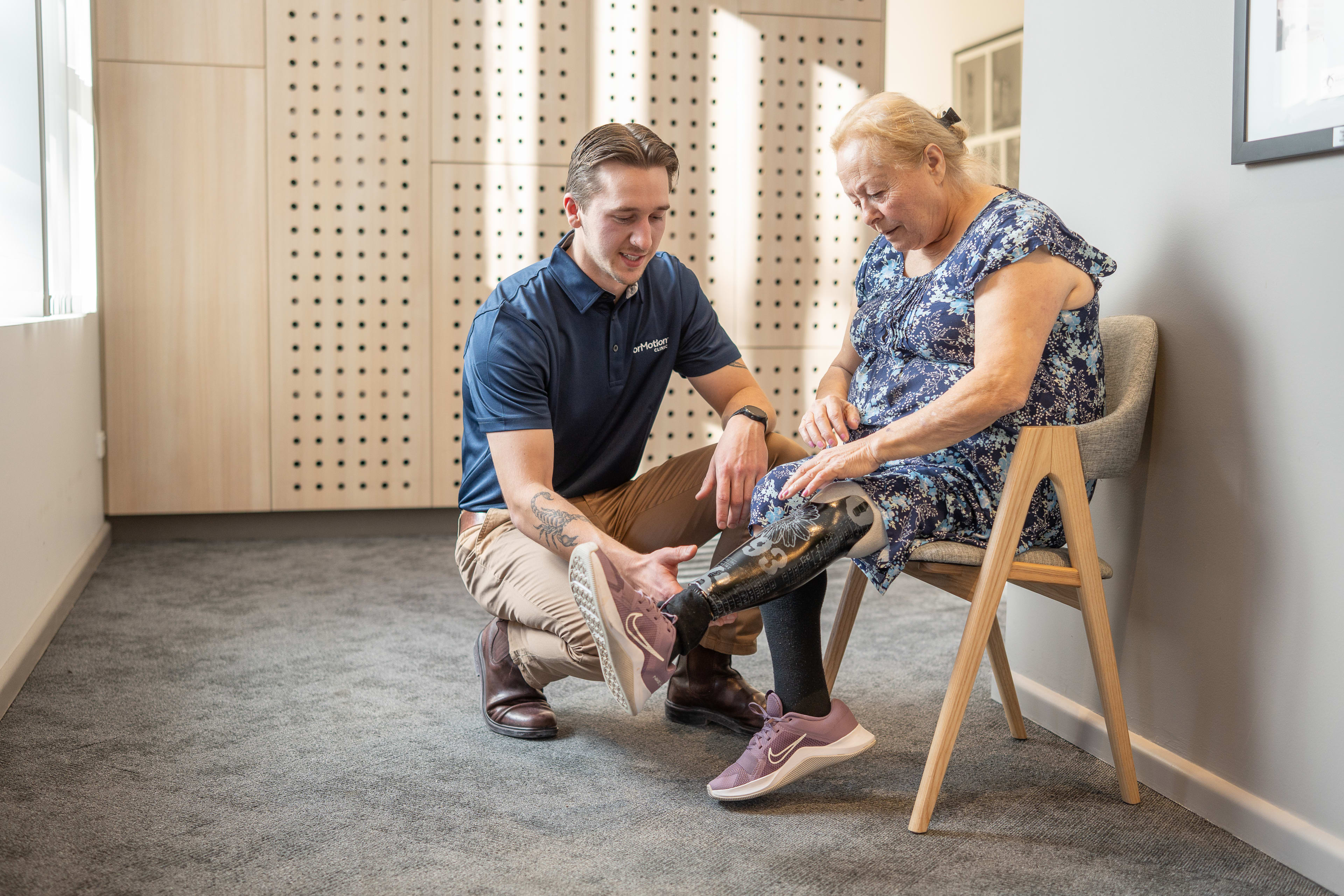
About Our Solutions
Lower Limb Prosthetics Designed to Restore Mobility and Independence
Lower limb prosthetics are custom devices designed to restore mobility and function following limb loss at or below the hip.
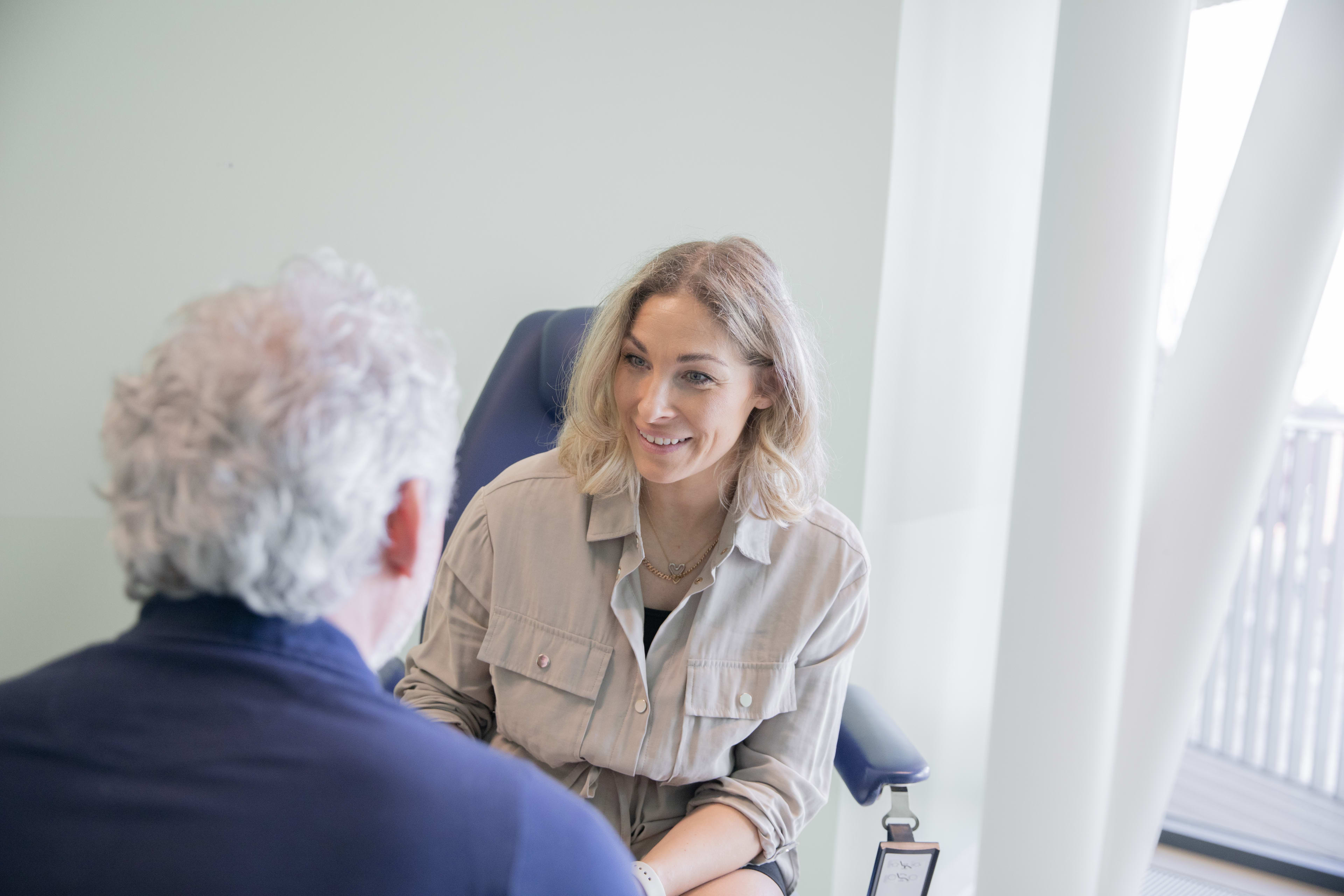
Advanced Care, Personalized Fit
Our lower limb prosthetics cover a broad range of solutions, from simple transtibial devices to complex above knee systems incorporating advanced microprocessor technology. At ForMotion, we understand that no two patients are alike. Your device needs to fit your body, support your lifestyle and keep up with the activities that matter to you. Getting the right fit from your lower limb prosthetics is at the core of everything we do and we are committed to staying alongside you throughout the entire process. Find your nearest ForMotion Clinic today.
Finding the Right Fit for Your Lower Limb Prosthetics
A well-fit prosthetic limb is essential for comfort, function and long-term outcomes. Our prosthetists consider your residual limb shape, your activity level, prosthetic socket types and the prosthesis options that best suit you before making any recommendations. From carbon fiber designs to microprocessor-controlled knees, our team guides you through the lower limb prosthetics options most relevant to your level and goals. Together, your care team works alongside you to ensure each decision supports your comfort, mobility and evolving goals, providing ongoing guidance as your needs change over time. For patients looking to return to sports, prosthetic running blades offer dynamic performance. For lower extremity prosthetics in general, the right technology depends on a combination of clinical and lifestyle factors.
Book a Free Consultation
Expert care is closer than you think. Find the ForMotion clinic nearest you and connect with a team dedicated to helping you achieve your goals. Whether you're exploring a prosthetic solution for the first time or looking for ongoing support, we're here to help guide you through your journey.
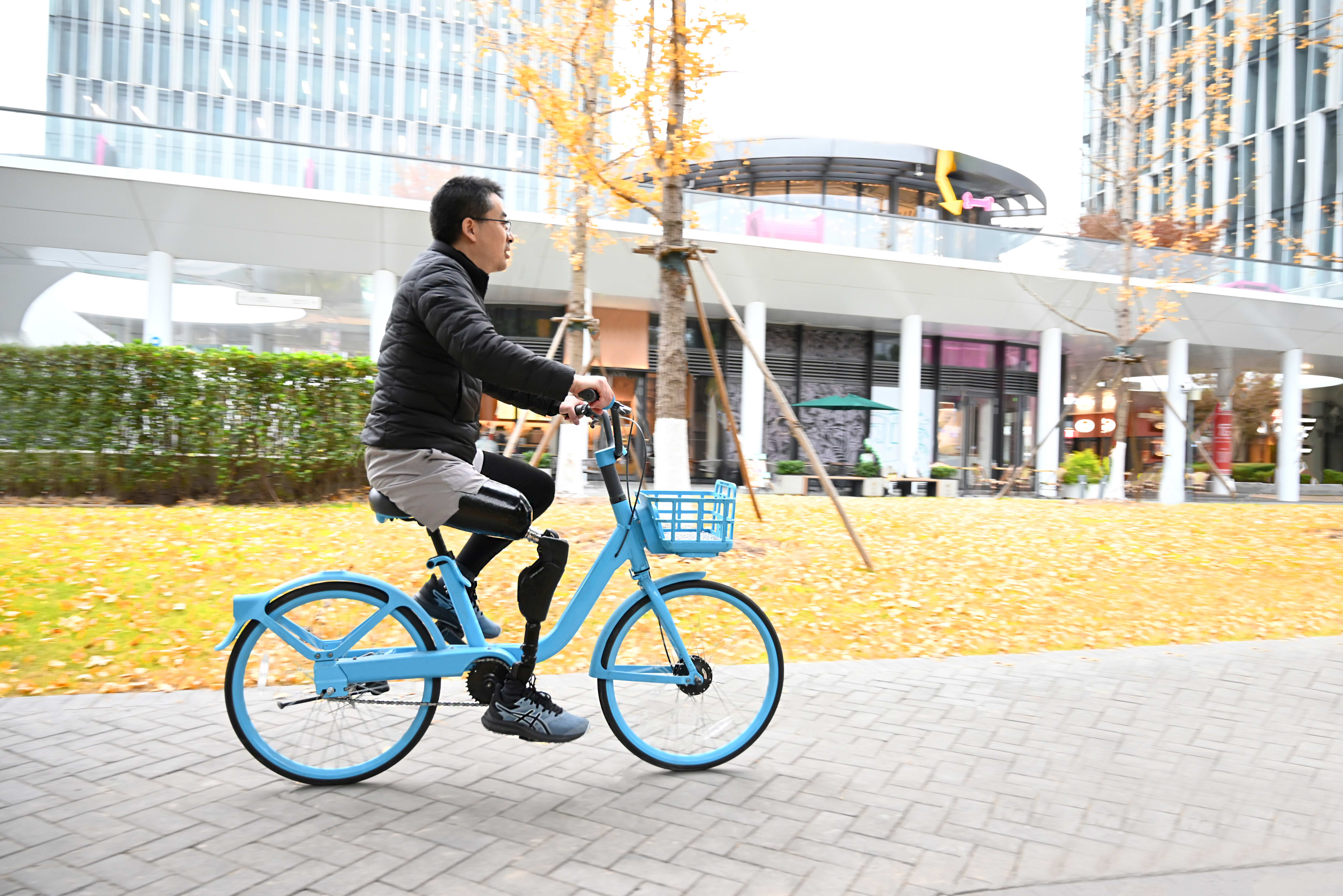
Life Without Limitations
Solutions
Our Lower Limb Prosthetics
ForMotion understands the potential for prosthetic solutions to transform the lives of the people we care for. We’re inspired to continually advance prosthetic technology through research and development and committed to creating a custom prosthetic solution that helps you live and move in the ways you want.
Getting the Right Fit
Regardless of the technology beneath you, a prosthesis can only perform as well as its fit and alignment allow. Without a properly fitted and aligned socket, even the most advanced components cannot be used to their full potential. That is why we take great care in customizing every prosthetic socket to the individual needs of each patient. We consider the unique shape and characteristics of your limb, along with any additional health concerns that may affect comfort, skin integrity, or long-term fit. By combining clinical expertise with the latest advancements in prosthetic socket technology, we design and select solutions that optimize comfort, function, and confidence so your prosthesis truly works with you.
Choosing the Right Technology
Prosthetic needs can evolve throughout a lifetime, sometimes improving as you gain strength and confidence and sometimes changing due to shifts in health, activity level, or mobility. Because of this, the prosthetic technology we choose together must be able to adapt over time. From advanced microprocessor knees and dynamic components to added safety features, your prosthetist carefully balances performance with stability. By understanding your goals, daily activities, and overall health, we select technology that supports movement and independence while prioritizing safety, both now and as your needs change.
Activity Specific Prostheses
Sometimes, an everyday prosthesis is not enough to support all the activities you want to pursue. Whether your goals include running, cycling, rock climbing, or other specialized pursuits, additional or customized solutions may be needed. Our specialists design activity-specific prostheses and attachments that allow you to safely and confidently participate in the activities that matter most to you. By tailoring each solution to your body, skill level, and goals, we help expand what is possible so your prosthesis supports not just daily function, but the life you want to live.
Cosmetic Finishes
We take great pride in the work we do and strive to help every patient feel confident owning their life as an amputee. While we stand behind the function and craftsmanship of every prosthesis we create, we understand that how a prosthetic limb looks can play an important role in making it feel truly personal. From simple, custom-shaped cosmetic shells designed to fill out clothing and protect your prosthesis, to fully cosmetic finishes with lifelike detail, these options allow you to choose the level of appearance that feels right for you. Thoughtful cosmetic customization can be an important part of helping you feel comfortable, confident, and fully yourself.
Definitions
Components of a Lower Limb Prosthesis
Here are a few terms that may be helpful to know in discussing with your ForMotion care team. A below knee prosthesis consists of a socket, pylon, and foot, as well as a suspension mechanism. An above knee prosthesis consists of a socket, knee, pylon, and foot, as well as a suspension mechanism.
Suspension
The suspension is the part of the solution that ensures that your prosthetic solution attaches securely to your residual limb. There are a range of suspension types, including pin-locking, suction, vacuum, and anatomical. Your care team will work with you to choose the suspension that best suits your physical condition and mobility needs.
Socket
The socket is molded exactly to the shape of your residual limb, providing the support and stability you need to move as comfortably as possible. Because the socket bears your weight when you stand or move, creating a secure, comfortable fit is critical. Your care team will help you choose a socket type and make sure it fits properly.
Knee Joint (AK Only)
If your limb loss is above the knee, your prosthetic solution will include a knee joint that allows you to either bend or straighten your leg. The knee joint is also designed to provide added stability by distributing your body weight evenly throughout the prosthesis, which helps prevent discomfort. Knee joints can be mechanical, hydraulic, and even microprocessor-controlled, and your care team will help you choose the best option.
Pylon
A pylon is a metal tube that connects the socket to the prosthetic foot. The length of the pylon will ensure your prosthesis is the same length as your sound limb. Your prosthetist will align and adjust the pylon for optimal walking and stability.
Foot
The foot of your prosthetic solution provides essential support, stability and functionality. As with other components, the type and design of your prosthetic foot will be determined by your mobility needs and lifestyle. The foot of your prosthetic solution provides essential support, stability and functionality. As with other components, the type and design of your prosthetic foot will be determined by your mobility needs and lifestyle.
CARE Program
Comprehensive Acute Rehabilitation Empowerment Program
CARE Program
Any individual can be subject to limb loss, which can be devastating both emotionally and physically. There are many tools available that can assist amputees in recovering and regaining the self-confidence to move forward. We offer comprehensive support to help you, your family and caregivers navigate your prosthetic journey. Our CARE Coordinators provide guidance, connect you with resources, help you set goals, and assist you in accessing servic...
Read More
Phase 1 | Pre & Post-operative
- CAREs Coordinator outreach
- Discuss process of potential protective post-operative device, if ordered by MD
Phase 2 | Sub-Acute & Rehabilitation
Once patient has been directed to home or inpatient rehabilitation hospital:
- Clinician/CAREs Coordinator corresponds with therapist on patient's progress
- CAREs Coordinator will check in regularly with patient to offer help and guidance
- Healed and approved for prosthetic intervention by MD.
Phase 3 | Function & Outcomes
- Prosthetic evaluation in-clinic: medical history review, determine goals, and more.
- Patient casting in-clinic
- Patient is fit with a test version of prosthetic device in-clinic
- Device is delivered in-clinic
- Patient is directed to outpatient PT or rehab for gait and strength training
Resources
Support & Resources
We understand that finding the right care for your condition can be challenging and confusing. Take advantage of the resources on our site and the expertise of our care teams.
Locations
Find Your ForMotion Clinic
We have an established and growing network of Orthotic and Prosthetic clinics. Find the location that's closest to you.